Nurture to Healthy Hair
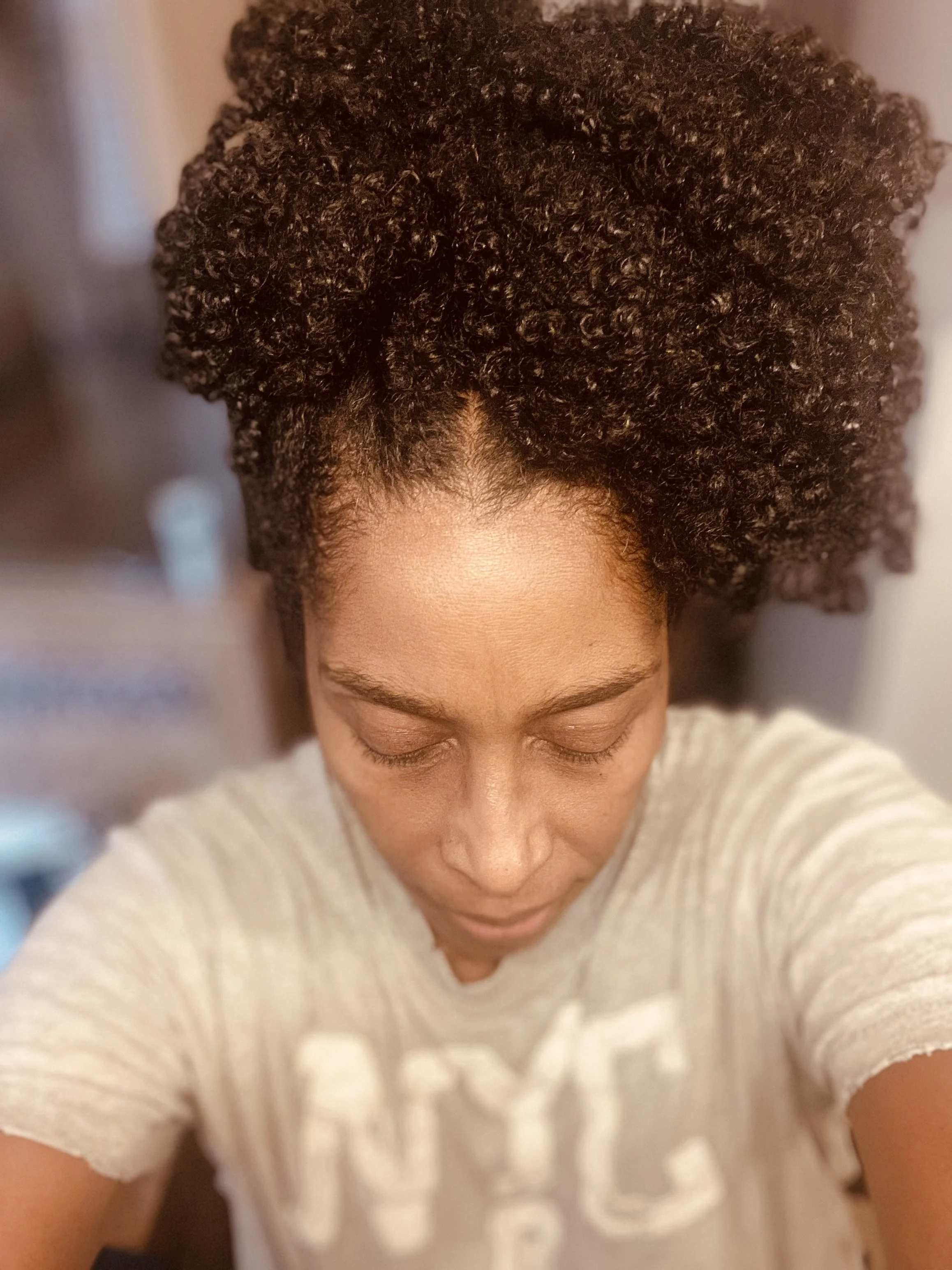
DIY results
A System Built on Listening
Here's what I've learned: healthy hair isn't about finding the perfect product. It's about building a system that respects how your hair actually works and then adjusting that system as your hair tells you what it needs.
After 28 years in healthcare, I know that the body communicates. It tells you what it needs if you listen. Your hair does the same thing. But most people are too busy following routines they found on Instagram to actually hear what their hair is saying.
I'm going to walk you through how I built a hair care system that keeps my hair healthy, thriving, and responsive, not because I found some magic product, but because I started listening.
The Foundation: Scalp Care Comes First
Let me be direct: if your scalp isn't healthy, your hair won't be healthy. Period.
Your hair doesn't live on its own. It grows from follicles rooted in your scalp. Every single strand originates in an ecosystem that's either supporting it or compromising it. You can use the best oils and butters on your hair strands, but if the scalp producing those strands is inflamed, dry, or clogged, you're working against biology.
This is why I start every hair care system with scalp care. Not as an afterthought. Not as an optional extra step. As the foundation.
What a healthy scalp looks like:
Balanced oil production. Not oily, not dry. Your scalp feels comfortable without being tight or itchy. There's no flaking, no redness, no unusual odor. You're not thinking about your scalp constantly, that's how you know it's healthy. A healthy scalp is one you forget about because it's just quietly doing its job.
What compromised scalp looks like:
Inflammation. Irritation. Flaking. Excess oil or dryness. Tight, tender feeling. Unusual smell. A scalp that feels like it needs constant "fixing."
Most people with compromised scalps are actually making it worse with the products they use. Harsh shampoos strip the scalp, so the scalp overproduces oil to compensate. Then they use clarifying products to remove the oil, which strips again. It's a cycle.
My scalp care approach:
I treat my scalp like I would any other part of my skin that's not feeling well. I use gentle cleansing (castile soap, not harsh sulfates). I use targeted treatments based on what my scalp needs (anti-inflammatory, hydrating, stimulating; depending on the day). I massage regularly to increase blood flow to my follicles. I don't use products that irritate.
When my scalp feels balanced, everything downstream - including my hair - is healthier. My hair grows better. It's stronger. It's more responsive to the care I give it.
If your hair isn't thriving, check your scalp first. That's usually where the real problem is.
Treatment Phase: Care for the Follicles
Healthy hair starts at the root. Your follicles are where your hair is literally being produced. If those follicles are stressed, damaged, or depleted, the hair growing from them will reflect that.
This is why I'm intentional about protecting my follicles from unnecessary stress.
The Tension Reality:
Braids, weaves, tight styles; they put tension on your follicles. Constant tension damages the follicle over time. This is how people develop traction alopecia (hair loss from chronic tension). Your follicles are being yanked, stressed, asked to produce hair while under physical strain.
I'm not saying never wear braids or weaves. I'm saying be intentional about it. Wear them when you want them, not constantly. Take breaks between protective styles so your follicles aren't in a state of chronic tension. Loosen braids that are too tight (yes, tight = better hold, but also = damaged follicles). Your hair will thank you with better growth and less breakage.
I’m tender-headed. So no/low tolerance for any tension. I’ve tried braids and lasted 2 weeks Max. But I love do love the look
The Environmental Stress:
Your hair lives in an environment. That environment either supports it or damages it. Heat, sun, pollution, chlorine, humidity shifts; these all stress your hair and scalp.
I minimize unnecessary environmental stress:
I protect my hair from harsh sun (hat, scarf, or coverage)
I rinse chlorine out of my hair immediately after swimming
I deep condition more heavily during seasons with extreme weather shifts (winter dryness, summer heat)
I avoid excessive heat styling
This isn't about being precious with your hair. It's about understanding that your hair has limits and respecting those limits. Push too hard and it breaks. Support it and it grows.
The Scalp Massage Effect:
I massage my scalp regularly: 1-2 times weekly (I’m really low maintenance). This isn't just for relaxation (though that's a benefit). Scalp massage increases blood flow to your follicles. Better blood flow means better nutrient delivery to the cells producing your hair.
It's preventative care. You're literally feeding your follicles and reducing inflammation through increased circulation. This is how you support healthy hair growth at the source.
The Hydration and Sealing System: Water, Oils, Butters
Here's where most people get confused, so let me be clear: hydration and sealing are two different things. Your hair needs both.
Hydration = Adding Water/Moisture
Water (plus humectants like glycerin and honey) actually adds moisture to your hair shaft. It plumps the hair, fills it with water, makes it softer and more flexible. This is what deep conditioning does. This is what a hydrating leave-in conditioner does.
Sealing = Locking That Moisture In
Oils and butters coat your hair and seal the cuticle. They prevent water from escaping. This is what emollients do. Without sealing, water evaporates and your hair dries out again.
You need both. Hydration without sealing = hair that feels wet then dries back out. Sealing without hydration = hair that feels coated but is dry underneath.
My Hydration + Sealing System:
On wash day: I deep condition (hydration), then apply a leave-in conditioner (more hydration), then seal with an oil or butter (sealing). This creates layers: moisture + moisture + seal.
Between washes: I use a hydrating spritzer (water + glycerin + honey) and seal with a lightweight oil. This maintains the hydration throughout the week without heavy buildup.
Different seasons, different needs: Winter is drier, so I use heavier butters and more frequent deep conditioning. Summer I can get away with lighter oils and less frequent conditioning.
The Experimentation Phase: Different Oils, Different Combinations, Different Days
This is where it gets interesting. Once you understand the principles (scalp health, follicle care, hydration + sealing), you can start experimenting with different ingredients to find what works best for your hair.
My Oil Testing:
I experiment with different oils because they all have slightly different properties.
Jojoba is light and won't build up; great for daily use.
Coconut oil is heavier and more nourishing; better for deep conditioning or weekly sealing.
Castor oil is potent and promotes growth; excellent for scalp treatments.
Rose hip seed oil has natural retinol; great for anti-aging if I'm using it on my hairline.
I don't have one "best" oil. I have oils for different purposes and days.
My Butter Testing:
Same with butters.
Shea butter is versatile and nourishing.
Cocoa butter smells amazing and is deeply emollient.
Mango butter is lighter.
I'll use different butters depending on my hair's needs and the season.
Different Days, Different Needs:
This is crucial: your hair doesn't have the same needs every single day. Monday might call for heavy moisture because your hair felt dry over the weekend. Wednesday might need a scalp treatment because you feel tension. Friday might need a lightweight spritz because your hair is fine and you don't want weight.
Most people follow rigid routines: wash on Sunday, deep condition, same products every time. Then they wonder why their hair isn't responding.
I listen. My hair talks to me through how it feels, how it looks, how it responds. Some months I deep condition twice because my hair tells me it needs it. Some months once is enough. Some months I focus on scalp treatments. Some months I focus on sealing.
This responsiveness is what keeps my hair healthy long-term. I'm not forcing a routine; I'm supporting what my hair actually needs.
The Listening System: What My Hair Tells Me
This is the real secret. I pay attention.
When my hair feels dry: Is it dry from lack of hydration (needs deep conditioning), or dry from lack of sealing (needs more oil)? These require different solutions. I test and adjust.
When my scalp feels tight: Is it irritated (needs calming treatment), or is it just dehydrated (needs hydration)? The fix is different depending on what's actually happening.
When my hair loses curl definition: Is it buildup (needs clarifying), or is it just humidity and frizz (needs anti-frizz products), or is it actually dry (needs moisture)? I diagnose before I treat. Similar to a thorough assessment of my patients/clients before discussing how we should move forward.
When my hair breaks more than usual: Am I using too much protein (needs moisture rebalance), or not enough protein (needs strengthening), or is it just tension from a style that's too tight (needs looser styling)? The cause determines the solution.
This diagnostic approach, actually figuring out what's happening instead of just applying products randomly, is what changed my hair health.
How I Listen:
I pay attention to texture. How does my hair feel when it's wet? When it's dry? When it's styled? Does it feel different at different times of day?
I notice visual changes. Does my curl pattern look tight or loose? Is my hair shinier or duller? Is the texture smoother or rougher?
I track what I do. When I use certain products or treatments, what happens? Does my hair respond well? Does it get better or worse?
I adjust based on feedback. If something isn't working, I change it. I don't keep doing something just because "that's the routine." The routine serves my hair, not the other way around.
Since I Went DIY: The Transformation
Here's what I've noticed since I started making most of my products instead of buying commercial ones:
More Control: I know exactly what's on my hair. No mystery ingredients. No silicones creating buildup. No fragrance irritating my scalp. I'm literally choosing every single ingredient based on what my hair needs.
Better Results: My hair is shinier, stronger, more defined. It grows faster and with less breakage. My scalp is healthier. This isn't because I found some magic product—it's because I'm using ingredients that actually support my hair instead of compromising it.
Cost Effectiveness: A bottle of Dr. Bronner's castile soap costs $8 and lasts months. Raw shea butter is cheap. Oils are affordable. I'm spending a fraction of what I used to spend on commercial products and getting better results.
Flexibility: I can adjust recipes based on my hair's needs. Too much buildup? I add more clarifying ingredients. Too dry? I increase the hydration. My scalp irritated? I can make a targeted treatment. Commercial products are one-size-fits-all. DIY is customized.
The Biggest Win: I understand my hair now. I'm not blindly following routines or chasing trends. I know what my hair needs, why it needs it, and how to provide it. That knowledge is worth more than any product.
Building Your Own System
You don't have to do exactly what I do. Your hair might be different, your needs might be different, your climate might be different.
Start with the foundation: Build scalp health first. Use a gentle cleanser. Add a scalp treatment. Give your follicles what they need.
Understand the principles: Hydration + sealing. Gentle treatment. Listen to your hair.
Experiment: Try different oils. Try different butters. Try different combinations. Test on your hair and see what actually works, not what Instagram says should work.
Pay attention: Track what you do and what happens. Notice patterns. Adjust based on feedback.
Be consistent: Give things time to work. Your hair won't transform in two weeks. But in 8-12 weeks of consistent care? You'll see real changes.
Keep adjusting: Your hair's needs change. Seasons change. Life stress changes. Your routine should change with it.
The Real Talk
Healthy hair isn't complicated. It's not about expensive products or trendy ingredients or following what celebrities are doing.
It's about:
Supporting your scalp because that's where your hair grows
Protecting your follicles from unnecessary stress
Hydrating your hair strategically
Sealing that hydration in
Listening to what your hair actually needs
Adjusting based on what you hear
This takes attention. This takes care. This takes time.
But once you build a system that works, once you understand your hair and what it needs, once you stop chasing products and start actually supporting your hair; that's when transformation happens.
My hair is healthier now than it's ever been. Not because I found some magic product. Because I started listening and responding to what my hair was telling me.
Your hair is talking to you too. The question is: are you listening?
The Invitation
This is what be-U-tiful is about. Not selling you products. Teaching you to understand your hair. Teaching you to listen. Teaching you to build a system that works for your specific hair, your specific life, your specific needs.
Because when you understand the principles, you stop needing the marketing. You become an expert in your own hair.
And that's when everything changes.
be-U-tiful is about nurturing healthy hair through listening, understanding, and supporting what your hair actually needs. Not following routines. Not chasing products. Paying attention and responding with care. That's the system that works.