Do You Really Have to Cook to Be Healthy?
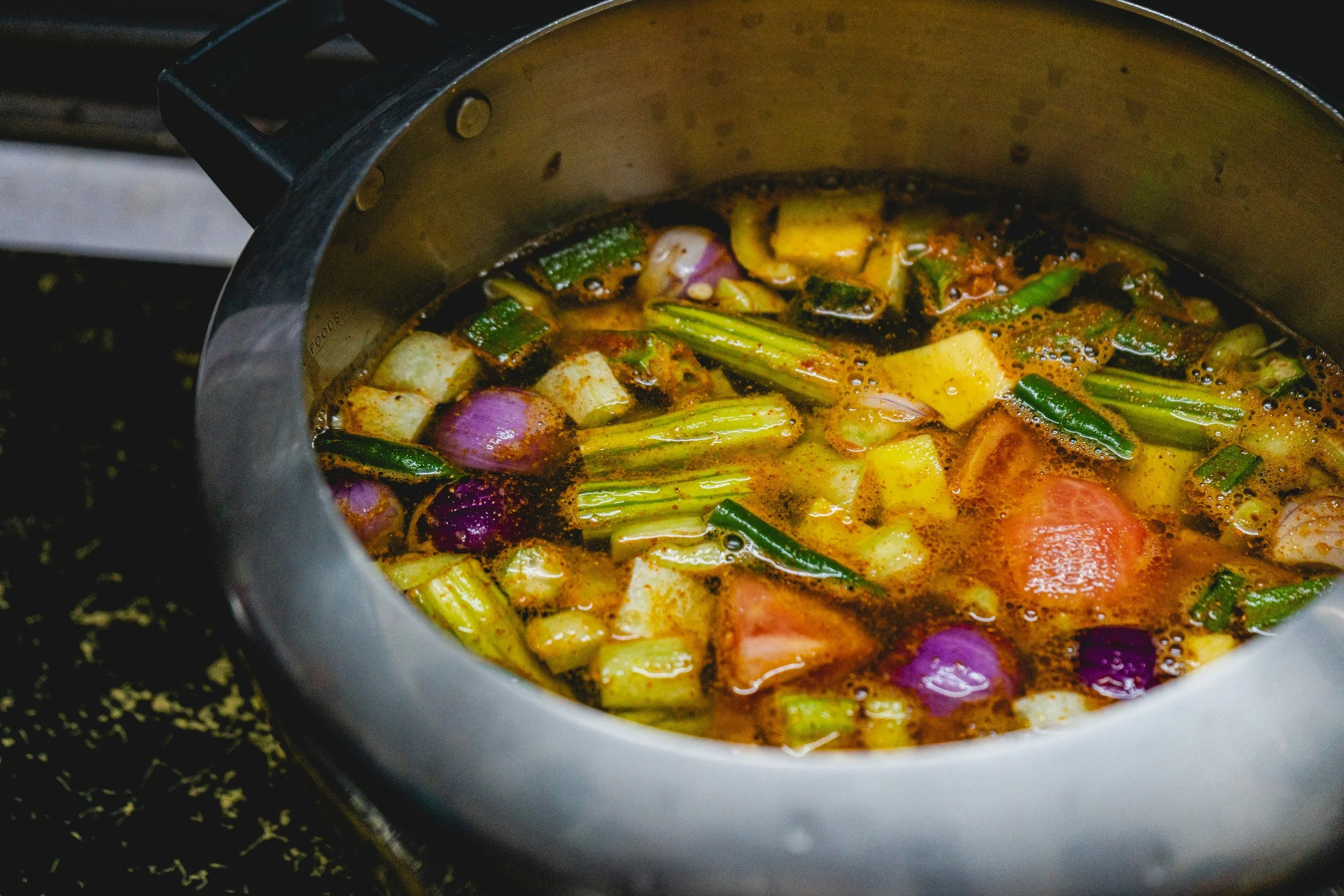
For my version of healthy? Yes. But let me be honest about when that falls apart.
You've heard it a thousand times:
"Meal prep on Sundays!"
"Just cook at home!"
"It's so easy once you get into the routine!"
And you think: Easy for who?
Because cooking takes time. Energy. Planning. Skill. Clean-up.
And on a Tuesday night when you're exhausted and didn't meal prep and the stress is hitting; fast food sounds a lot easier than chopping vegetables.
So let's talk about the real question underneath "do you have to cook to be healthy?"
For my version of healthy: yes.
But not because cooking is morally superior. Not because you "should."
Because my body needs what processed food can't give it.
And also: let me be honest about when cooking falls apart and what happens when stress hijacks the plan.
Why I Cook (The Real Reasons)
I'm Healing My Gut
This isn't about "clean eating" as a trend. This is medical.
After years of antibiotics, stress, inflammatory foods; my gut was wrecked. Leaky gut. Dysbiosis. All of it.
Processed food makes it worse:
Inflammatory seed oils
Hidden sugars
Preservatives that kill good bacteria
Additives that damage gut lining
Ultra-processed ingredients my body doesn't recognize
Whole foods heal:
Anti-inflammatory
Nutrient-dense
No hidden ingredients
Supports gut bacteria
My body knows what to do with them
I have to cook because I need to control what goes into my body.
Not control in a disordered way. Control in a "my gut is damaged and I'm actively healing it" way.
That requires knowing exactly what I'm eating. And that requires cooking it myself.
I Actually Save Money
This surprises people.
"But whole foods are expensive!"
Compared to what?
Fast food meal: $12-15
Processed "healthy" convenience food: $8-12 per meal
Cooking whole foods: $4-6 per meal (often less)
I buy:
Vegetables (seasonal, on sale, or frozen)
Beans, lentils, rice (bulk, cheap)
Potatoes, sweet potatoes
Seasonal fruit
Some proteins (eggs, chicken, fish when on sale)
Herbs and spices
Total weekly grocery bill for one person cooking: $50-70
Total weekly fast food/takeout for one person: $100-150+
The money I save on processed food goes toward:
High-quality probiotics ($40-60/month)
L-glutamine for gut healing ($25/month)
Digestive enzymes ($30/month)
Omega-3s ($20/month)
Other gut-healing supplements
Cooking isn't more expensive. It's strategic resource allocation.
Feed my body whole foods (cheaper and nourishing-er).
Support healing with targeted supplements (investment).
Both are necessary. Both are affordable because I'm not spending $15/meal on takeout.
I Know What I'm Eating
Processed food ingredient list: 40+ ingredients I can't pronounce
Restaurant food: Who knows what oil they used? How much sugar/salt? What preservatives?
My food: I put it there. I know what it is.
For someone healing their gut, this matters.
Hidden inflammatory ingredients are everywhere:
Soybean oil (in almost everything)
Hidden sugars (under 60+ different names)
MSG and derivatives
Wheat/gluten in unexpected places
Dairy in "dairy-free" items
When I cook, I know.
No hidden sabotage. No wondering why my stomach hurts after eating something "healthy."
The Smells. The Freshness. The Actual Food Experience.
Let's talk about what nobody mentions:
Fresh herbs smell incredible.
Basil. Cilantro. Rosemary. Thyme.
The smell of garlic sautéing. Fresh lemon zest. Tomatoes roasting.
Processed food doesn't smell like anything. It smells like packaging. Like factory. Like nothing.
Real food smells alive.
And when you taste food made with fresh ingredients; no comparison.
A tomato from the farmers market vs. a tomato from a fast food burger.
Fresh herbs vs. dried seasoning packets.
Food that was alive yesterday vs. food that's been sitting in a freezer for months.
This isn't snobbery. This is actually experiencing food.
And once you taste the difference, processed food tastes like cardboard.
Vegan Meals Are Actually Faster
Here's what surprised me:
Vegan whole food cooking is FAST.
No worrying about meat being cooked through. No raw chicken contamination. No timing proteins.
15-minute vegan meals I make regularly:
Rice bowl: rice + roasted vegetables + tahini sauce
Pasta: whole grain pasta + marinara + vegetables
Stir-fry: vegetables + tofu + soy sauce + rice
Buddha bowl: greens + chickpeas + veggies + dressing
Lentil soup: literally dump everything in pot, simmer
Sweet potato + black beans + salsa
Prep time: Chop vegetables while rice/pasta cooks. Done.
Faster than:
Driving to restaurant
Waiting for delivery
Standing in drive-thru line
And I know exactly what's in it.
Cooking Gets Easier With Practice
First month: Everything takes forever. I'm slow. It's exhausting.
After 3 months: Faster. Developing rhythm. Less thinking required.
After 6 months: Muscle memory. I can make dinner while talking on the phone.
Now: Cooking is automatic. I don't need recipes for basics. Just throw things together.
It's like any skill. Terrible at first. Easier with repetition.
The initial phase is rough. But it's temporary.
And the payoff, knowing how to feed myself quickly with real food, is worth the learning curve.
When It Falls Apart (The Honest Part)
Okay. That's why I cook and why it works.
Now let me tell you when it doesn't work.
When Stress Hits
Stress changes everything.
When I'm stressed, overwhelmed, exhausted:
I don't want vegetables. I want comfort.
And comfort, for me, is:
French fries
Cheese (even though dairy wrecks my gut)
Bread (even though gluten makes me feel terrible)
Sugar (even though it feeds the bad bacteria I'm trying to kill)
Stress + no meal prep = fast food.
Not because I don't know better. Not because I forgot my values.
Because stress hijacks my decision-making and I want the dopamine hit.
Fast food is designed to hit every pleasure center. Salt, fat, sugar, convenience.
When I'm dysregulated, that's what my nervous system craves.
Vegetables don't stand a chance against that craving.
When I Didn't Meal Prep
Meal prep is the backbone of the entire system.
When I meal prep on Sunday:
Chopped vegetables ready to go
Grains cooked and portioned
Proteins prepped
Sauces made
Weeknight cooking: Assemble pre-prepped ingredients. 10 minutes. Done.
When I DON'T meal prep:
Get home exhausted
Stare at raw vegetables
Realize I have to wash, chop, cook everything from scratch
Takes 45 minutes
Fuck it, I'll just get Chipotle
Meal prep is not optional. It's the difference between success and fast food.
When I'm Already Hungry
Never go to the grocery store hungry.
Also: Never decide what to eat when already starving.
When I'm already hungry:
Decision-making is impaired
I want food NOW
Fast food is 5 minutes away
Cooking is 30-45 minutes away
Cooking requires planning before hunger hits.
If I wait until I'm starving to figure out dinner, I've already lost.
When Life Is Just... A Lot
Some weeks, everything works. Meal prepped, stress managed, cooking happens.
Other weeks:
Caregiving crisis
Work deadline
Emotional overwhelm
Didn't sleep
Everything is on fire
Those weeks? Fast food happens.
Not because I failed. Because I'm human and sometimes survival mode wins.
Perfectionism about food is just another way to beat yourself up.
The Realistic Approach
Here's what actually works:
The 80/20 Rule
80% of the time: I cook. Whole foods. Gut-healing protocol.
20% of the time: I don't. And that's okay.
The 20% includes:
Stress weeks when fast food happens
Social situations (restaurants, friends' houses)
Travel
Days when I'm just too tired
The goal is not perfection. The goal is consistent-enough to heal while being human enough to survive.
Meal Prep Is Non-Negotiable
If I want to cook during the week, I HAVE to meal prep on the weekend.
Sunday routine:
2 hours
Chop all vegetables for the week
Cook 2-3 grains (rice, quinoa, potatoes)
Prep 2 proteins if using
Make 2 sauces/dressings
Portion into containers
This makes weeknight cooking possible.
Without it, I'm setting myself up to fail.
Have Emergency Backup Plans
For when meal prep didn't happen or stress hits:
Frozen vegetables (already chopped, just heat)
Canned beans (rinse and use)
Frozen brown rice (microwaves in 3 minutes)
Pre-made sauces (organic marinara, tahini, salsa)
10-minute emergency meals:
Frozen veggies + canned beans + salsa + rice
Frozen veggies + pasta + marinara
Sweet potato (microwave) + canned black beans + avocado
Not as good as fresh. But better than fast food for my gut.
Give Yourself Permission to Be Imperfect
Some weeks I nail it. Other weeks I eat Chipotle three times.
Both can be true.
I'm healing my gut 80% of the time. That's enough to see progress.
The 20% when I don't, that's being human. That's stress. That's life.
I don't beat myself up about it anymore.
I just get back to cooking when I can.
Understand Your Stress Eating Triggers
I know my pattern now:
Stress → dysregulated nervous system → craving fast food → dopamine seeking
The solution isn't more willpower. It's regulation.
When I notice stress building:
Regulate nervous system FIRST (breathwork, grounding, movement)
Then decide about food
If I'm regulated, I can choose vegetables
If I'm dysregulated, fast food wins
Sometimes the answer is: regulate nervous system, THEN cook.
Not force myself to cook from a dysregulated state.
Batch Cook on Good Days
Some days I have energy. Other days I don't.
On good energy days:
Make double or triple portions
Freeze extras
Future-me will be grateful
On low energy days:
Reheat something I batch cooked
Or use emergency backup plan
I'm not trying to cook every single day. I'm trying to have food available for the days I can't.
What Changes When You Cook (Mostly)
After months of cooking 80% of the time:
My gut is healing. Less bloating, better digestion, inflammation decreasing.
I feel better. More energy, clearer thinking, less brain fog.
I save money. Hundreds per month that goes toward supplements and other health investments.
I know my body. I can tell what foods work and don't work because I control the variables.
Food tastes better. Fresh ingredients, real flavors, not factory-made.
I have a skill. I can feed myself. Anywhere. Anytime. No dependence on restaurants or processed food.
But also:
I'm not perfect. Some weeks are great. Some weeks I eat fast food.
I don't beat myself up anymore. Progress over perfection.
I'm healing. Slowly. Imperfectly. But healing.
The Bottom Line
Do you HAVE to cook to be healthy?
Depends on what "healthy" means for you.
For me; yes.
Because:
My gut needs whole foods to heal
I need to know what I'm eating
I save money for supplements
Vegan cooking is actually fast
Fresh food tastes incredible
But also, realistically:
I don't cook perfectly. I don't meal prep every week. Stress derails me. Fast food happens.
And that's okay.
The goal is not perfection. The goal is healing my body most of the time while being human all of the time.
80% whole food cooking + 20% being human = sustainable.
100% perfection + shame when I fail = unsustainable.
I choose sustainable.
If You're Going to Start Cooking
Start here:
Week 1: Just dinner. One meal. Pick 3 easy recipes you can rotate.
Week 2: Add breakfast. Overnight oats, smoothies, or batch-cooked egg muffins.
Week 3: Try meal prepping. Just vegetables and grains. See if it helps.
Week 4: Keep what works, adjust what doesn't.
Don't try to do everything at once. That's how people burn out and quit.
Build slowly. Give yourself grace. Expect imperfection.
The Practice This Week
Choose one:
If you don't cook at all:
Make dinner 3 times this week
Notice: how does your body feel after vs. processed food?
If you cook sometimes:
Meal prep on Sunday (just 2 hours)
Notice: does it make weeknights easier?
If you cook regularly but feel guilty when you don't:
Give yourself permission for the 20%
Notice: does releasing perfectionism make it more sustainable?
Final Truth
Cooking isn't about being a "good" person or following rules.
It's about what your body needs.
My body needs whole foods to heal. So I cook. Most of the time.
Your body might need something different. That's okay too.
But if you're healing your gut, managing inflammation, or trying to understand what foods work for YOUR body; cooking gives you information and control that processed food can't.
It's not always easy. It's not always perfect.
But it's working. Slowly. Imperfectly. And that's enough.
With you in the becoming,
Dawn
be-U-tiful.One
Beauty not as approval, but as truth.
beutiful.one
P.S. - The meal you're dreading cooking tonight?
It'll take 20 minutes. Maybe less if you already prepped.
Just start. Chop one vegetable. Turn on the stove.
Future you will feel better. I promise.
Related Reading:
📖 Sugar Freedom Guide 14-day reset for blood sugar and cravings
📖 Your Gut-Brain Connection Why gut health affects everything
📖 What Happens When You Stop Running Understanding stress eating patterns
📖 Clean Diet Trilogy (Coming soon) Complete elimination guides for gut healing